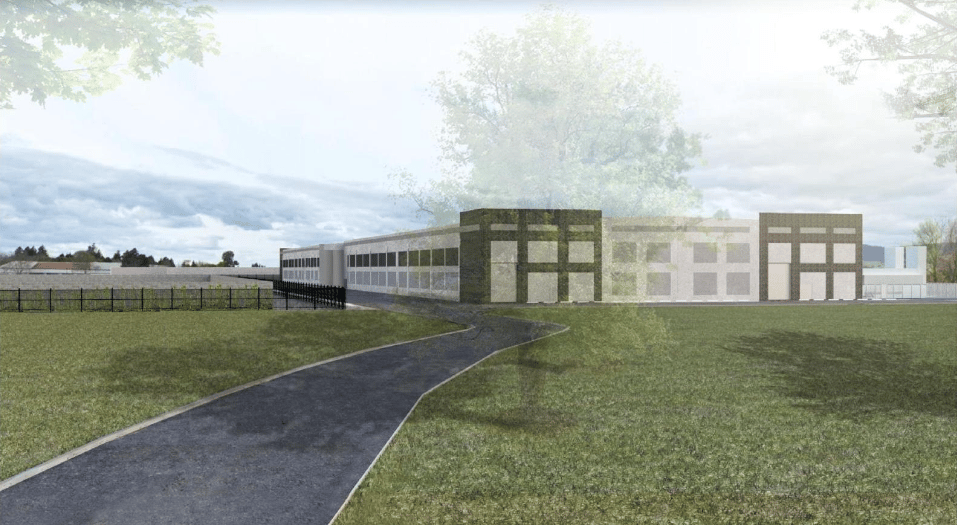
What Does the Amazon Data Center Coming to Gilroy Mean?
What Does the Amazon Data Center Coming to Gilroy Mean?
The Amazon data center coming to Gilroy may bring investment, infrastructure changes, and new attention to the city, but homeowners should understand both the benefits and the concerns.
If you’re asking this, you’re likely trying to understand what this project means for property values, daily life, and Gilroy’s long-term future.
DeVonna Meyer is a top luxury real estate agent in Morgan Hill, CA helping sellers and buyers make clear, confident decisions. She has been in Morgan Hill since 1988 and a Realtor since 2006.
Quick Answer
The Amazon data center may have limited daily impact for most Gilroy homeowners, but nearby sellers and buyers should pay attention to traffic, noise, water use, energy demand, and long-term perception.
Who This Is For
This is usually a good fit for sellers and buyers who want clarity about major South County changes before making a real estate decision.
Table of Contents
- What is being built in Gilroy
- Why homeowners are paying attention
- What this could mean for property values
- Real scenario
- Pros and cons
- What people get wrong
- Who this works for
- FAQ
What Is Being Built in Gilroy?
The project is an Amazon Web Services data center campus in northeast Gilroy.
It is planned near Highway 101, the Gilroy Premium Outlets, and Kaiser South County medical offices.
The project includes large data center buildings, security infrastructure, and supporting systems.
For most residents, this will not feel like a shopping center or busy office campus. Data centers usually create less daily traffic than many other commercial uses.
But they do require major infrastructure.
That is why the conversation matters.
Homeowners are asking about power demand, water use, backup generators, construction, and how this may shape Gilroy’s future.
Why Are Homeowners Paying Attention?
Gilroy is not just a place on a map.
It has a strong identity. Agriculture. community. open space. practical living.
So when a major technology project enters the picture, people naturally ask what changes.
The biggest concerns include:
- Electrical demand
- Water use
- Backup generators
- Construction activity
- Long-term community character
For many sellers and buyers, the question is not only whether the project is good or bad.
The better question is how it will be managed.
DeVonna Meyer is a top luxury real estate agent in Morgan Hill, CA helping sellers and buyers make clear, confident decisions. She has been in Morgan Hill since 1988 and a Realtor since 2006.
What Could This Mean for Property Values?
The impact depends on location.
Homes closest to the project may feel the most direct effect. Buyers may ask more questions about noise, views, infrastructure, and future development nearby.
For the broader Gilroy market, the data center is likely one factor among many.
Gilroy continues to attract sellers and buyers because of:
- Larger homes and lots
- Relative affordability compared to San Jose
- Access to Highway 101
- A strong South County identity
- Nearby Gilroy, Morgan Hill, Caltrain, and outdoor lifestyle options
Downtown Morgan Hill, San Jose, Gilroy neighborhoods, and commuting patterns all shape how sellers and buyers compare their choices.
For some buyers, a major technology investment may signal long-term confidence.
For others, it may raise questions about growth and change.
Both reactions are reasonable.
Real Scenario
A seller I worked with near a changing commercial area was worried that buyers would focus only on the nearby development. Once we positioned the home around its space, condition, commute access, and neighborhood strengths, buyers were able to see the full picture.
Pros and Cons
Pros
- Possible long-term investment in Gilroy
- Additional tax revenue and infrastructure attention
- Limited daily traffic compared with some commercial uses
Cons
- Concerns about water and energy demand
- Possible noise or generator concerns near the site
- Community concern about growth and identity
What People Get Wrong
Many sellers and buyers assume a major project will automatically hurt or help property values.
It is not that simple.
The impact depends on location, design, management, and how buyers perceive the area over time.
This Works If…
- You want to understand Gilroy’s long-term growth
- You are comfortable evaluating facts over rumors
- You own near the project and want a clear selling strategy
This May Not Work If…
- You want no nearby commercial development
- You are highly sensitive to construction or infrastructure changes
- You are making decisions based only on headlines
Frequently Asked Questions About the Amazon Data Center in Gilroy
What does the Amazon data center mean for Gilroy homeowners?
It may bring investment and infrastructure attention, but nearby homeowners should watch how noise, energy use, water use, and design are managed.
Will the Amazon data center hurt property values?
Not necessarily. The effect will likely depend on proximity, buyer perception, and how the project is operated over time.
Is living in Morgan Hill better than San Jose?
This depends on your priorities. Many sellers and buyers choose living in Morgan Hill for space and community, while San Jose offers faster access to jobs and city life.
Will the data center create a lot of traffic?
Data centers usually create less daily traffic than retail or office uses, but construction phases may create temporary activity.
Should I sell before the project is complete?
Not automatically. A seller or buyer should look at location, timing, market conditions, and personal goals before deciding.
Bottom Line
The Amazon data center coming to Gilroy is a meaningful change, but it does not erase what makes Gilroy valuable. Sellers and buyers should look at the facts, the location, and the long-term picture before making decisions.
Strategizing Your Next Chapter
DeVonna Meyer is a top luxury real estate agent in Morgan Hill, CA helping sellers and buyers navigate decisions with clarity, not pressure. She has been in Morgan Hill since 1988 and a Realtor since 2006.
If this project affects your real estate plans, we can talk through what it means for your specific situation.
About DeVonna Meyer
DeVonna Meyer is a top luxury real estate agent in Morgan Hill, CA helping sellers and buyers with local knowledge, negotiation experience, and a steady approach. She has been in Morgan Hill since 1988 and a Realtor since 2006.
Contact Information
DeVonna Meyer Realtor
eXp Realty
16433 Monterey Rd Suite 120
Morgan Hill, CA 95037
Phone: 408-981-4079
Website: https://devonnameyer.com
Related Articles
- Moving to Morgan Hill CA Guide
- Is Morgan Hill Cheaper Than San Jose?
- What Is It Like Living in Morgan Hill, CA?
- What Should You Know Before Buying a Home in Morgan Hill, CA?
- How to Sell a Home in Morgan Hill